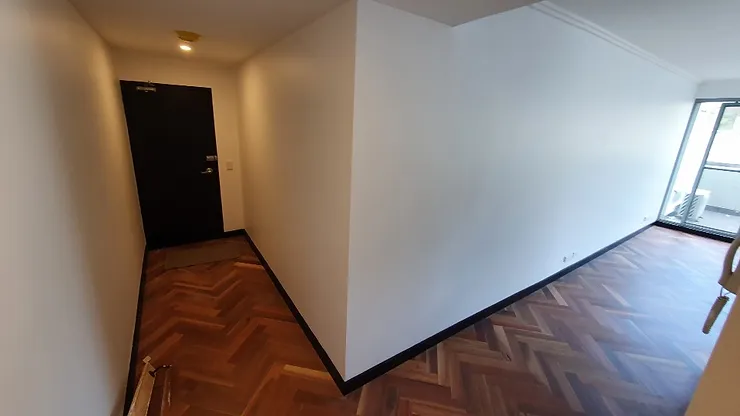
Achieving a smooth, clean, and professional paint finish requires more than choosing the right paint. The order in which painting tasks are completed also plays an important role. One of the most effective techniques used by professional painters is cutting in before rolling. At SKM Painting, we understand how the right preparation and painting methods can make a noticeable difference to the final result.
What Is Cutting In Before Rolling?
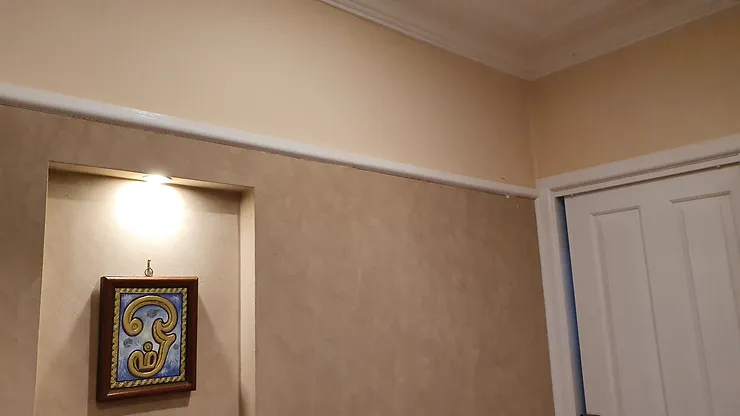
Cutting in is the process of carefully painting the edges, corners, and areas that a roller cannot easily reach. These areas include the edges around ceilings, skirting boards, window frames, door frames, and wall corners.
Using a quality paintbrush, painters create a neat line along these edges before applying paint to larger wall surfaces with a roller. This technique helps achieve consistent coverage and a clean, professional appearance.
Why Should You Cut In Before Rolling?
Cutting in before rolling is a widely used painting technique because it helps create a more uniform finish when performed correctly.
1. Achieve Clean and Sharp Edges
Carefully cutting in around corners, ceilings, doors, and windows helps create crisp paint lines. This attention to detail gives walls a polished appearance and helps distinguish professional painting from an uneven DIY finish.
2. Create a More Consistent Finish
Brushes and rollers can leave slightly different textures. Rolling the main wall surface while the cut-in paint is still wet can help blend these textures together, reducing visible brush marks and lap lines.
3. Improve Paint Coverage
Cutting in first allows painters to reach narrow spaces and difficult corners before rolling the main surface. When combined with the correct painting technique, this helps achieve more consistent coverage across the entire wall.
4. Save Time During Painting
Following a planned painting sequence makes the job more organised. Completing the edges before rolling allows painters to work systematically across each wall.
How to Cut In Before Rolling Like a Professional
Getting the best results requires the right tools, preparation, and technique.
Step 1: Prepare the Surface
Clean the walls, remove dust, fill minor imperfections, and sand where necessary. Protect flooring and adjacent surfaces before starting.
Step 2: Use a Quality Paintbrush
Choose a suitable angled brush that offers good control around corners and edges. Use an appropriate amount of paint to avoid drips and uneven lines.
Step 3: Paint the Edges Carefully
Apply paint around ceilings, corners, door frames, window frames, and other areas that are difficult to reach with a roller. Maintain a consistent band of paint along the edges.
Step 4: Roll While the Edges Are Still Wet
Work in manageable sections. Roll the main wall area while the cut-in paint is still wet, where practical, to help blend the brushwork with the rolled surface.
Step 5: Check the Final Finish
Inspect the wall under suitable lighting to identify missed spots, uneven coverage, or visible marks. Allow the paint to dry according to the manufacturer’s instructions before applying additional coats.
Common Mistakes to Avoid
Even a simple painting technique can produce poor results when important details are overlooked. Common mistakes include:
- Allowing cut-in paint to dry before rolling the adjoining surface, making blending more difficult.
- Applying too much paint with a brush, resulting in drips and thick edges.
- Using an unsuitable brush that makes it difficult to maintain straight lines.
- Skipping surface preparation and painting over dust, dirt, or loose paint.
- Applying additional coats before the previous coat has dried sufficiently.
- Rushing through corners and edges instead of maintaining consistent coverage.
Avoiding these mistakes helps produce a cleaner finish and improves the overall appearance of the painted surface.
Is Cutting In Before Rolling Always Necessary?
Cutting in before rolling is a reliable approach for many interior painting projects, particularly when painting walls and ceilings. However, the best sequence can depend on the surface, paint type, room conditions, and the painter’s technique.
For consistent results, professional painters generally work in manageable sections, maintain a wet edge where possible, and follow the paint manufacturer’s recommendations.
Why Choose SKM Painting?
At SKM Painting, we believe quality painting starts with careful preparation and attention to detail. Whether you need residential painting, commercial painting, industrial painting, or strata painting, our focus is on delivering neat finishes and dependable workmanship.
From carefully painted edges to smooth wall coverage, every stage of the process contributes to the final result. We work to ensure your property looks refreshed, professional, and well maintained.
Get Professional Painting Services in Sydney
Looking to refresh your property with a high-quality paint finish? SKM Painting provides professional painting services tailored to your property’s needs. Our team focuses on preparation, precision, and consistent results to help bring your painting project to life.
Contact SKM Painting today to discuss your project and request a quote.
A professional finish starts with the right technique.